

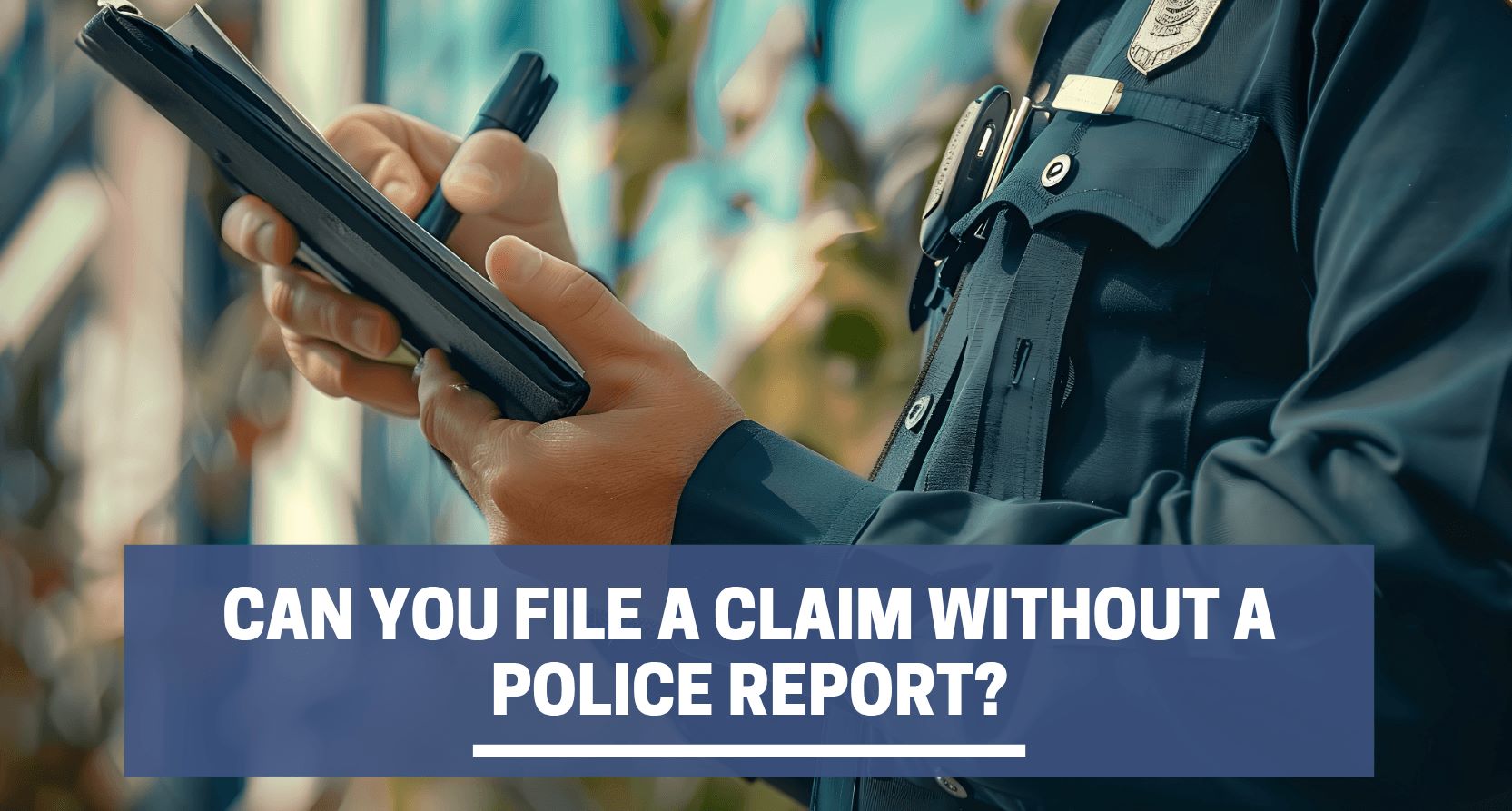
You were just in a crash, the police never came, and now you are wondering whether you can still make an insurance claim. Can you file a claim without a police report? In many cases, yes.
A police report can provide valuable information about an accident, but not having one does not prevent you from pursuing an insurance claim or personal injury case. Instead, other car accident evidence may become important when establishing how the crash happened, who may be responsible, and what losses resulted.
California also has accident-reporting requirements that are separate from filing an insurance or personal injury claim. Understanding those differences can help you protect your rights.
Do You Need a Police Report After an Accident in California?
Under California Vehicle Code Section 20008, a driver involved in a crash resulting in injury or death must make or cause a written report to the
California Highway Patrol (CHP) or, if the crash occurred within a city, the local police department within 24 hours.
California also has a separate DMV reporting requirement. The California DMV states that a driver, insurance agent, broker, or legal representative must submit an SR-1 within 10 days when someone is injured or killed, or property damage exceeds $1,000. The DMV specifically notes that the SR-1 is required in addition to reports made to police, CHP, or an insurance company.
Our guide on how to complete the SR-1 form provides more information about this separate DMV requirement.
So, three different actions may be involved after a collision:
- Reporting an injury or fatal crash to law enforcement as required by California law
- Filing an SR-1 with the DMV when the reporting threshold is met
- Filing an insurance or personal injury claim seeking compensation
Learn more about when reporting a car accident is mandatory in California.
Can You Still File a Police Report After the Accident?
If officers did not respond to the scene, contact the appropriate law enforcement agency to ask about its procedures for reporting the collision afterward. Procedures can vary by agency and the circumstances of the crash.
When making a report, have as much information available as possible, including:
- The date, time, and location of the accident
- Driver and vehicle information
- Insurance information
- Photographs or video from the scene
- Witness names and contact information
- A description of how the accident happened
Our guide to filing a police report after a California car accident discusses the process in greater detail.
Filing an Insurance Claim After an Accident Without a Police Report
Without a police accident report, an insurer may rely more heavily on driver statements and other available evidence. An insurance investigation may examine vehicle damage, photographs, medical documentation, witness accounts, driver statements, and other records.
Report the accident to your insurer promptly and provide accurate information about what happened. If the other driver disputes your version of events, independent evidence can become particularly important.
What Evidence Can Help If There Is No Police Report?
Evidence after a car accident can come from many sources. When an officer did not investigate the scene, other evidence becomes important for showing what happened.
Photographs and Video
Take photos after an accident whenever it is safe to do so. Try to document:
- Damage to each vehicle
- Vehicle positions
- License plates
- Skid marks and debris
- Traffic lights and signs
- Road and weather conditions
- Visible injuries
Dashcam, surveillance, or traffic camera footage may help show how the collision occurred. Video and electronic records can be particularly valuable when attempting to prove distracted driving after an accident.
Witness Statements
Independent witness statements can help establish how the accident happened when the drivers disagree.
If possible, obtain each witness’s:
- Full name
- Phone number
- Email address
- Brief description of what they observed
Medical and Property Damage Records
For an injury claim, medical records can document your injuries, symptoms, treatment, and when you received care. For property damage, repair estimates, photographs, towing invoices, vehicle inspections, and receipts can help document your vehicle’s condition and related expenses.
Police Report vs. Other Car Accident Evidence
A police report can organize important information in one place, but other evidence can document many of the same facts.
| Issue | What a Police Report May Document | Other Potential Evidence |
| Accident Scene | Vehicle locations, road conditions, and observations. | Photos, videos, and dashcam footage |
| Drivers | Names, vehicles, and insurance information. | Information exchanged at the scene |
| Witnesses | Names and statements | Contact information and direct witness statements |
| Possible Violations | Citations or officer observations | Video, witness accounts, and other records |
| Vehicle Damage | Observed damage | Photos, estimates, and repair records |
| Injuries | Injuries reported or observed at the scene | Medical records and photographs |
What a Police Report May Document: Vehicle locations, road conditions, and observations.
Other Potential Evidence: Photos, videos, and dashcam footage
What a Police Report May Document: Names, vehicles, and insurance information.
Other Potential Evidence: Information exchanged at the scene
What a Police Report May Document: Names and statements
Other Potential Evidence: Contact information and direct witness statements
What a Police Report May Document: Citations or officer observations
Other Potential Evidence: Video, witness accounts, and other records
What a Police Report May Document: Observed damage
Other Potential Evidence: Photos, estimates, and repair records
What a Police Report May Document: Injuries reported or observed at the scene
Other Potential Evidence: Medical records and photographs
How No Police Report Can Affect a California Car Accident Claim
A missing report can complicate a California car accident claim when liability is disputed, but it does not determine the outcome.
For example, if two drivers disagree about who had the green light and no officer or witnesses saw the crash, determining what happened can be difficult. Traffic-camera footage, dashcam video, vehicle damage, and other evidence may help establish how the collision occurred.
California follows a pure comparative negligence system. Under the California Supreme Court’s decision in Li v. Yellow Cab Co., damages can be allocated according to each party’s proportion of fault.
Learn more about what happens when you are partially at fault for a California car accident.
Common Misconceptions About Claims Without Police Reports
Several misconceptions can cause unnecessary confusion after a crash:
- No police report means I have no claim: A police report can help document an accident, but other evidence may establish liability and damages.
- Police determine who receives insurance compensation: Insurers conduct their own investigations when evaluating claims.
- If the police did not come, I do not have to report anything: California’s law-enforcement and DMV reporting requirements may still apply.
- The SR-1 is the same as a police report: It is a separate DMV filing with its own requirements.
Our guide to California motor vehicle accident laws covers additional rules that may affect drivers after a collision.
Checklist: What to Gather If No Police Report Was Filed
After an accident without police at the scene, gather and save:
For an injury case, our overview of California personal injury laws provides additional information about the legal framework that may affect a claim.
Get Help With a California Car Accident Claim
Not having a police report does not mean you should assume you have no case. The strength of a claim depends on the circumstances of the accident, insurance coverage, injuries, and supporting evidence.
The Shirvanian Law Firm can review your accident, assess the available evidence, and explain your options for pursuing compensation. Our firm represents injured people throughout Southern California, including those seeking help from a Pasadena car accident attorney.
Contact us to discuss your case and learn about your legal options in a free consultation.
FAQs
Will insurance pay without a police report?
Yes. An insurer may pay a claim without a police report. It will generally consider the available evidence, coverage, liability, and damages. Photos, videos, witness statements, medical records, and vehicle damage records can help support the claim.
What evidence is most important if there is no police report?
Photos, videos, and witness statements can help establish how the crash occurred, especially when drivers disagree. Medical records can document injuries and treatment.
Can witness statements replace a police report?
Not officially, but witness statements can provide independent evidence about traffic signals, vehicle movements, or other details that help establish liability.
Should I report the accident to the DMV?
California requires an SR-1 report within 10 days if someone is injured or killed or property damage exceeds $1,000. This requirement applies regardless of fault and is separate from reports to police or insurers.