

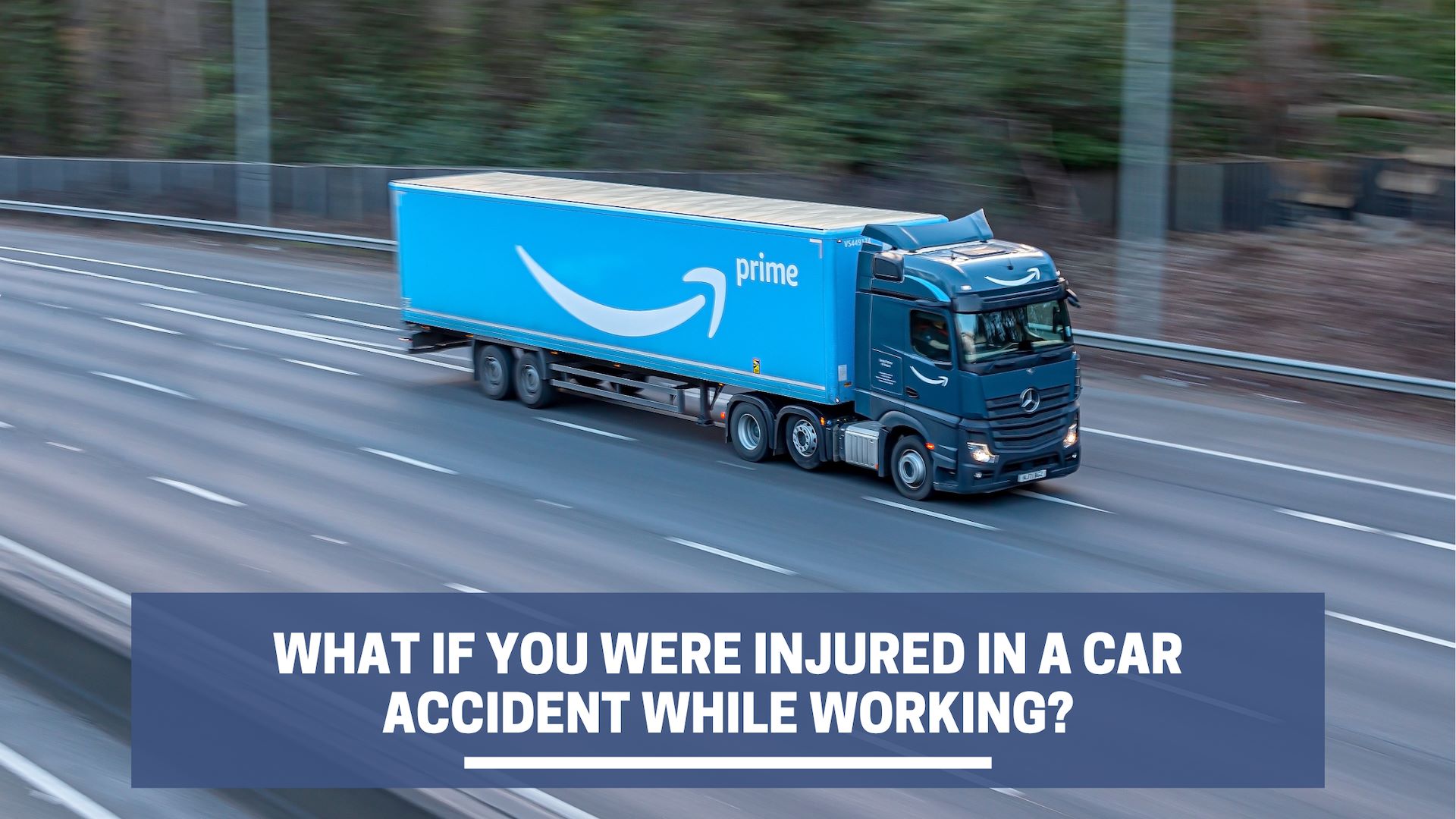
If you’re injured in a car accident while working, workers’ compensation may not be your only source of compensation. Depending on how the crash happened, you could also have a personal injury claim against the at-fault driver.
Unlike an accident that happens on your personal time, a work-related car accident often involves two different areas of California law. You may be entitled to workers’ compensation benefits through your employer while also pursuing compensation from the driver or company responsible for causing the collision.
Employees who drive for work—including delivery drivers, sales representatives, home healthcare workers, commercial drivers, and technicians traveling between job sites—face risks every day. Understanding your legal rights can make a difference in your financial recovery.
When Does a Car Accident Qualify as a Work-Related Injury?
A car accident on the job qualifies for workers’ compensation if it occurs while you are performing duties related to your employment. Debajo California’s workers’ compensation laws, employees are covered when an injury arises out of and during the course of employment. Unlike a personal injury lawsuit, workers’ compensation is a no-fault system, so benefits are available regardless of who caused the collision.
Examples of a California work vehicle accident include:
- Driving a company vehicle between job sites
- Running errands for your employer
- Making deliveries in a company or personal vehicle
- Traveling to meet clients during the workday
- Operating a commercial truck or van as part of your job
- Visiting patients as a home healthcare worker
- Traveling between service appointments as a technician
What About My Daily Commute?
California follows the “coming and going” rule. En la mayoría de los casos, this means workers’ compensation does not cover injuries that occur during your normal commute to or from work because they do not happen in the course of your employment.
sin embargo, important exceptions may apply if:
- Your employer requires you to travel throughout the day
- You are transporting equipment for work
- Your employer pays for your travel time
- You are completing a special assignment away from your normal workplace
Because these exceptions can be fact-specific, it is important to speak with an attorney if there is any question about whether your accident occurred within the course of your employment.
What Benefits Does Workers’ Compensation Provide?
If you were involved in a workers’ compensation car accident, you may be eligible for benefits to help cover your medical care and replace a portion of your lost wages while you recover.
Depending on your injuries, benefits may include:
- Tratamiento médico
- Hospital bills
- Fisioterapia
- Medicamentos recetados
- beneficios de incapacidad temporal while you’re unable to work
- Prestaciones por Incapacidad Permanente if your injuries cause lasting impairment
- beneficios pérdida de trabajo suplementario if you cannot return to your previous position
- Los beneficios por muerte for surviving family members in fatal accidents
What Workers’ Compensation Does Not Cover
Although workers’ compensation provides valuable protection, it does have limitations.
It does not compensate you for:
- Dolor y sufrimiento
- Estrés emocional
- Full lost wages
- Property damage to your vehicle
- Pérdida del disfrute de la vida.
This is one reason many injured workers are surprised to learn they may also have the right to pursue a separate personal injury claim.
Can Someone Other Than Your Employer Be Responsible?
Sí. Many employee car accident claims involve another driver whose negligence caused the collision. When someone other than your employer is legally responsible, you may be able to file what’s known as a third-party claim work accident.
A third party could include:
- Otro conductor
- A commercial trucking company
- A delivery company
- A vehicle manufacturer if a defective part contributed to the crash
- A government agency responsible for dangerous road conditions
If your injuries resulted from a collision with a tractor-trailer or other commercial vehicle, aprender how truck accident claims differ from typical car accident cases.
Workers’ compensation benefits are available regardless of fault. A third-party claim, por otro lado, requires you to prove another person or company was negligent, but it may allow you to recover additional damages. For a broader overview of the laws that apply after a California car accident, see our guide to Leyes de accidentes automovilísticos de California.
Workers’ Compensation vs. Reclamaciones por lesiones personales
One of the biggest sources of confusion after a work injury car crash is understanding which type of claim provides which benefits.
| Compensación de trabajadores | Lesiones personales (Reclamación de terceros) |
| No es necesario demostrar la culpa | Must prove another party was negligent |
| Medical expenses covered | Medical expenses recoverable |
| Partial wage replacement | Full lost wages may be available |
| No compensation for pain and suffering | Pain and suffering may be recovered |
| Does not usually cover property damage | Property damage may be recovered |
| Cannot usually sue your employer | May sue the negligent third party |
En muchas situaciones, injured employees qualify for workers’ comp and personal injury claim benefits at the same time. Understanding how these claims work together can significantly increase the compensation available after a serious accident.
Can You Receive Workers’ Compensation and File a Personal Injury Claim?
Sí. En muchos casos, an employee injured in a car accident while working may be able to pursue both workers’ compensation and a personal injury claim at the same time. This is often referred to as a dual-claims workers’comp case.
Each claim serves a different purpose:
- Workers’ compensation provides no-fault benefits through your employer’s insurance, helping cover medical treatment and partial lost wages.
- A third-party claim seeks compensation from the driver or other party whose negligence caused the crash.
Por ejemplo, a home healthcare nurse is driving between patient appointments when another driver runs a red light, causing a crash. The nurse may qualify for workers’ compensation through their employer because the accident occurred during work. If the other driver caused the collision, the nurse may also have a personal injury claim against that driver to seek compensation for losses not covered by workers’ compensation, such as pain and suffering.
To learn more about how these two legal claims differ, read our guide to workers’ comp vs. daños corporales.
Will Workers’ Compensation Be Repaid?
If your personal injury case results in a settlement or verdict, your employer’s workers’ compensation insurance carrier may have a right to reimbursement for some of the benefits it paid on your behalf. This is known as a workers’ compensation lien.
Because these rules can be complicated, it’s important to have an attorney coordinate both claims to help maximize your overall recovery.
What Should You Do After a Work-Related Car Accident?
The steps you take after a passenger vehicle collision or commercial vehicle crash can help protect both your health and your legal rights.
- Llamada 911 and report the accident if anyone is injured.
- Seek medical care as soon as possible, even if your injuries seem minor.
- Notify your employer promptly so your injury can be reported.
- Document the scene by taking photos, collecting the other driver’s contact information, and exchanging insurance details.
- File your workers’ compensation claim using the forms provided by your employer.
- Be cautious when speaking with insurance companies. Avoid giving a recorded statement or accepting a settlement before you understand the full extent of your injuries.
- Keep records of your medical bills, salarios perdidos, estimaciones de reparación, and other accident-related expenses.
For more information, read our article on the California Car accident insurance claim process. If your injuries caused you to miss work, our guide on filing a claim for lost wages explains how lost income may be calculated.
When Should You Contact an Attorney?
Not every company vehicle accident requires legal representation, but many do.
An attorney can help if:
- Your injuries are serious.
- The insurance company disputes fault.
- Your workers’ compensation claim is denied.
- A commercial vehicle was involved.
- Multiple parties may share responsibility.
- You’re unsure whether you have a third-party liability claim.
- You’re being pressured to accept a quick settlement.
An experienced attorney can investigate the crash, identify all available sources of compensation, coordinate your workers’ compensation and personal injury claims, and protect your rights throughout the process. Learn more about what a personal injury lawyer does and how legal representation can help after a serious accident.
Don’t Overlook Compensation You May Be Entitled To
After a work-related car accident, many people assume workers’ compensation is their only option. Depending on how the crash happened, you may also have a claim against the at-fault driver or another responsible party.
The Shirvanian Law Firm proudly represents injured clients throughout California. Explore our California service areas, incluso fresno y Playa Larga, to learn how we help clients across the state. Póngase en contacto con nosotros hoy para una consulta gratuita.
Preguntas frecuentes
Can I receive workers’ compensation and a personal injury settlement?
Sí. If someone other than your employer caused the crash, you may be able to pursue both a workers’ compensation claim and a personal injury claim at the same time.
Does workers’ compensation cover pain and suffering?
No. California workers’ compensation benefits do not include damages for pain and suffering, estrés emocional, o pérdida del disfrute de la vida.
Do rideshare drivers qualify for workers’ compensation?
Most rideshare drivers in California are classified as independent contractors rather than employees, so traditional workers’ compensation does not cover them. sin embargo, they may qualify for benefits provided under Proposición 22 or have other legal options depending on the circumstances of the accident.
What if I was driving my own vehicle for work?
If you were using your personal vehicle for a work-related task—such as making deliveries, traveling between job sites, or visiting a client—you may still qualify for workers’ compensation benefits. You may also have an employee vehicle accident claim against the driver who caused the collision.