

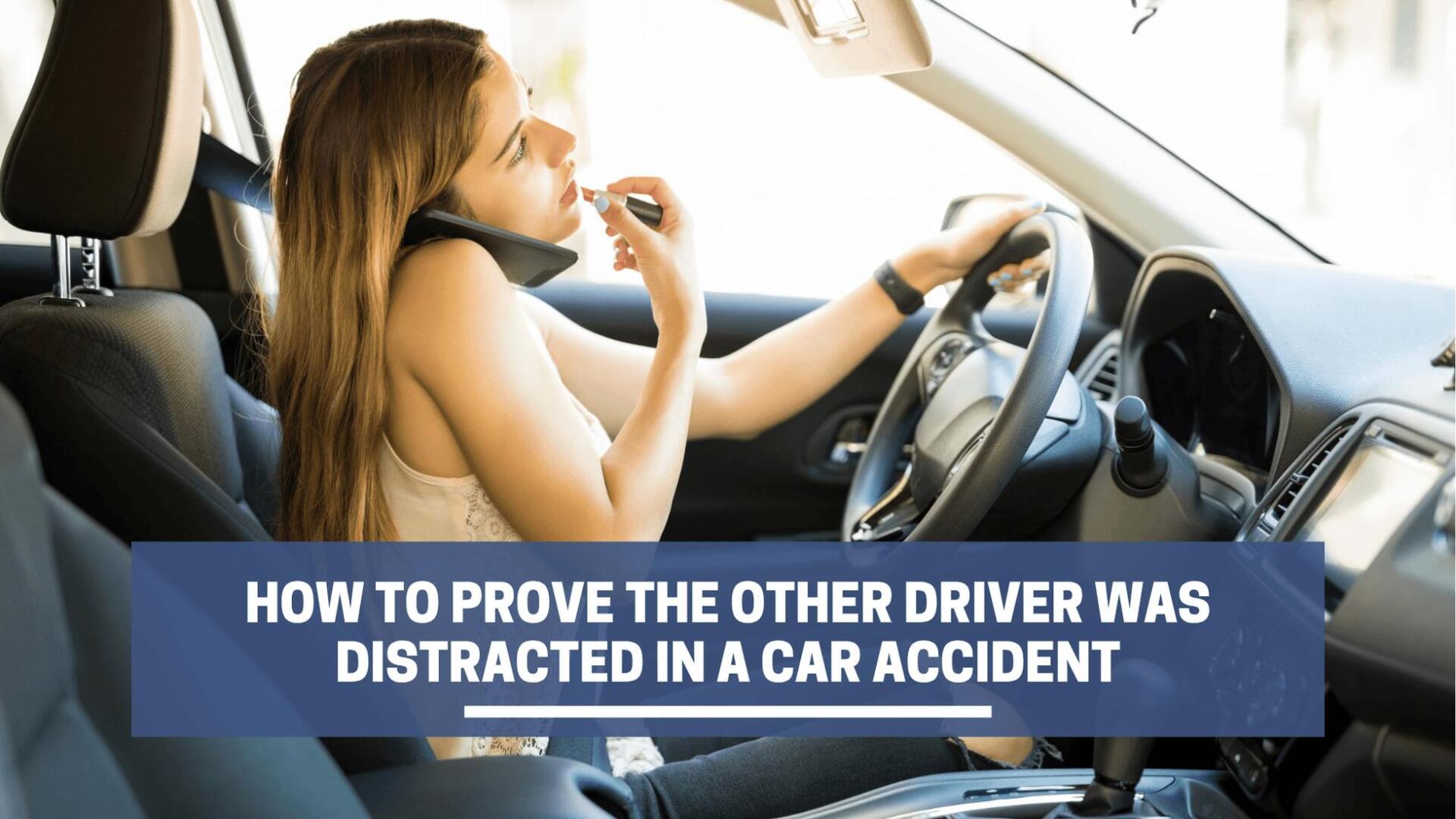
Conducir distraído no sólo es peligroso: puede ser mortal. En 2023, 158 personas fueron asesinadas en accidentes de California que involucran conductores distraídos, según UC Berkeley SafeTREC. Cada mirada a un teléfono, pantalla de navegación, o la notificación puede tener consecuencias devastadoras.
Si sospecha que el otro conductor estaba enviando mensajes de texto, usando aplicaciones, comiendo, aseo, o simplemente no prestar atención, demostrando que la distracción puede ser fundamental para proteger su derecho a una compensación.
En El sistema de negligencia comparativa pura de California, La evidencia de conducción distraída ayuda a establecer la responsabilidad., reduce el reparto injusto de culpas, y fortalece su posición cuando las compañías de seguros intentan minimizar los pagos, especialmente si preguntas sobre culpa compartida surgen después de un accidente.
La diferencia entre sospecha y prueba a menudo se reduce a la velocidad., estrategia, y evidencia. Registros telefónicos, informes de la policía, declaraciones de los testigos, metraje de la cámara del tablero, marcas de tiempo digitales, y la reconstrucción del accidente sirven como evidencia de conducción distraída y muestran lo que sucedió antes del impacto.
Porque la evidencia puede desaparecer rápidamente, orientación de abogados con experiencia en accidentes automovilísticos en California ayuda a asegurar la prueba, protege tu posición, y evitar que las aseguradoras den forma a la narrativa antes de que los hechos se descubran por completo.
Por qué es importante demostrar la distracción en California
En un estado con consistentemente alto volumen de tráfico y tasas de accidentes, demostrar que el otro conductor estaba distraído puede afectar a quién se le culpa, ¿Cuánta compensación puede estar disponible?, y cómo las compañías de seguros evalúan su reclamo.
Debajo Leyes de accidentes automovilísticos de California, establecer la responsabilidad por conducir distraído requiere demostrar que:
- El otro conductor tenía el deber legal de operar su vehículo de manera segura.
- Incumplieron ese deber al enviar mensajes de texto, usando un teléfono de mano, o participar en otra distracción
- Esa distracción causó o contribuyó al accidente.
- Sufriste heridas, pérdidas financieras, u otros daños como resultado
Código de Vehículos de California §23123.5 prohíbe a los conductores sostener u operar un teléfono inalámbrico de mano mientras conducen. Si la evidencia muestra que el otro conductor violó esta ley, puede fortalecer su reclamo por negligencia y respaldar el argumento de que no tuvieron un cuidado razonable.
Por qué son importantes las pruebas sólidas en un caso de conducción distraída:
- Reduce los intentos de las aseguradoras de disputar la culpa
- Fortalece el apalancamiento de liquidación
- Apoya reclamos por facturas médicas, salarios perdidos, y dolor y sufrimiento
- Protege su posición bajo las leyes de negligencia comparativa de California
- Puede descubrir mensajes de texto, actividad de la aplicación, registros de llamadas, o evidencia de reacción retardada
En muchos casos, probar la distracción puede hacer que el caso pase de una acusación a una responsabilidad procesable.
Tipos de pruebas que pueden demostrar una conducción distraída
Para construir pruebas sólidas de un accidente por conducción distraída normalmente se requiere más de una prueba.. Los casos más sólidos frecuentemente combinan múltiples fuentes de evidencia para crear una línea de tiempo que hace más difícil negar la distracción..
Alguna evidencia muestra distracción, mientras que otras formas ayudan a establecer patrones de falta de atención., reacción retardada, o uso ilegal del teléfono.
| Tipo de evidencia | Lo que puede mostrar | Cómo se obtiene |
| Registros telefónicos | llamadas, textos, uso de la aplicación cerca del tiempo de falla | Citación o descubrimiento |
| Informes de accidentes policiales | Observaciones del oficial, citas, admisiones | Informe de aplicación de la ley |
| Testimonio de un testigo presencial | visto mensajes de texto, desviándose, mirando hacia abajo | Entrevistas con testigos |
| cámara de salpicadero / Imágenes de la cámara de tráfico | Prueba visual de distracción. | Solicitudes de conservación |
| Registradores de datos de vehículos | Velocidad, frenado, entradas de dirección | Descarga forense |
| Redes Sociales / Marcas de tiempo de la aplicación | Actividad de aplicación o publicación | Análisis forense de dispositivos |
| Evidencia de reconstrucción de accidentes | Fallos de reacción, mecánica de choque | Análisis de expertos |
Ninguna prueba por sí sola prueba automáticamente la distracción en todos los casos., Es por eso que las afirmaciones más sólidas a menudo se basan en múltiples fuentes.. Juntos, esta evidencia crea una línea de tiempo más clara, refuerza los argumentos de responsabilidad, y hace que sea más difícil para el conductor distraído o su aseguradora negar lo sucedido.
Cómo Demostrar un accidente por conducción distraída Reclamaciones con evidencia directa y circunstancial
Saber cómo demostrar una conducción distraída no siempre requiere un vídeo de alguien enviando mensajes de texto al volante. Algunas afirmaciones se basan en pruebas directas., mientras que otros se construyen a través de evidencia circunstancial que sugiere fuertemente falta de atención..
La evidencia directa incluye:
- Marcas de tiempo de llamadas o mensajes de texto que coinciden con el momento del accidente
- Imágenes de cámara de salpicadero o vigilancia
- Registros de actividad de aplicaciones o redes sociales
- Admisiones de conductores
- Documentación policial sobre el uso visible del teléfono.
La evidencia circunstancial incluye:
- No hay frenado ni acción evasiva antes del impacto.
- Desvío de carril o desvío
- Pasarse semáforos en rojo o pasar por alto semáforos
- Testigos que ven al conductor mirar hacia abajo
- Datos del vehículo que muestran tiempos de reacción retrasados
La evidencia circunstancial puede llegar a ser muy persuasiva cuando se analiza el comportamiento en un accidente., declaración del testigo, y la actividad digital cuentan la misma historia.
Evidencia de registros de teléfonos celulares Es a menudo la prueba digital más sólida
Los registros telefónicos suelen estar entre las formas más poderosas de prueba de mensajes de texto mientras se conduce. Estos registros ayudan a revelar si un conductor estaba usando activamente su dispositivo en el momento de la colisión..
Los registros de teléfonos móviles muestran:
- Actividad de texto entrante o saliente
- Registros de llamadas y duración
- Uso de GPS o aplicación de navegación
- Marcas de tiempo de las redes sociales
- El uso de datos está cerca del impacto
Porque es posible que los proveedores de servicios inalámbricos no conserven los datos de uso detallados de forma indefinida, actuar rápido es importante. Un abogado puede enviar un carta de preservación o una solicitud de citación para ayudar a prevenir la eliminación de registros potencialmente valiosos.
Es posible que los registros telefónicos por sí solos no siempre demuestren:
- ¿Quién estaba usando físicamente el teléfono?
- Si el dispositivo estaba funcionando con manos libres
- Por qué se estaba usando el teléfono
Es por eso que las estrategias sólidas para casos de accidentes automovilísticos con registros telefónicos combinan registros digitales con declaraciones de testigos., observaciones policiales, metraje de la cámara del tablero, o análisis forense del teléfono para crear una imagen más clara de la distracción.
Los informes de accidentes policiales pueden fortalecer su reclamo
Los informes policiales también se utilizan para determinar la culpa en un caso de accidente automovilístico en California, especialmente cuando se sospecha una conducción distraída.
Un informe policial puede incluir:
- Admisiones de conductores como “miré hacia abajo”
- Posesión o distracción visible del teléfono
- Citaciones de tráfico
- Información de contacto del testigo
- Observaciones iniciales de fallas
Incluso cuando la policía responde, La documentación oficial puede no terminar ahí.. Es posible que los conductores de California aún tengan que informar por separado los accidentes que califican a través del proceso SR-1 para satisfacer requisitos legales adicionales.
Si bien la policía generalmente no puede registrar un teléfono sin consentimiento o una orden judicial, Los oficiales pueden documentar observaciones relacionadas con distracciones que luego pueden respaldar citaciones o investigaciones adicionales.
La presentación oportuna de informes puede fortalecer ambos cumplimiento legal y preservación de evidencia al ayudar a proteger la línea de tiempo antes de que los recuerdos se desvanezcan, las historias cambian, o se incumplen los plazos de presentación de informes.
Las declaraciones de los testigos y las pruebas de la escena pueden llenar vacíos críticos
No todos los casos de conducción distraída tienen registros telefónicos o secuencias de vídeo. En muchos accidentes, El testimonio de los testigos y la evidencia física en el lugar de los hechos se vuelven esenciales.
Los testigos útiles incluyen:
- Otros conductores
- Pasajeros
- peatones
- Empleados de negocios cercanos
- socorristas
Las pistas físicas incluyen:
- Sin marcas de derrape
- Frenado retrasado
- Desvío de carril
- Señales de tráfico perdidas
- Distracciones visibles dentro del vehículo.
Documentar las posiciones del vehículo, controles de tráfico, cámaras cercanas, información de contacto del testigo, y correctamente reportando el accidente todos pueden reforzar su caso.
cámaras de tablero, Cámaras de tráfico, y los registradores de datos de vehículos proporcionan evidencia técnica
La tecnología moderna puede ser uno de los medios más sólidos para demostrar que un conductor se distrajo al preservar evidencia objetiva que puede ser difícil de disputar.
Captura de imágenes de vigilancia o cámara de salpicadero:
- Mirando hacia abajo repetidamente
- Sostener o alcanzar un teléfono
- Desviarse o desviarse
- Frenado retrasado
- No reaccionar ante los cambios de tráfico.
Los registradores de datos del vehículo pueden revelar:
- Sincronización del freno
- Velocidad antes del impacto
- Entrada de dirección
- Patrones de aceleración
Cámaras de tráfico, vigilancia de intersecciones, y los sistemas de seguridad comerciales cercanos también proporcionan imágenes valiosas.
Cómo las compañías de seguros investigan las reclamaciones por conducción distraída
Una investigación de accidentes de seguros comienza rápidamente después de un accidente, pero el objetivo de la aseguradora es reducir los pagos, no maximizar su recuperación.
Su investigación puede incluir:
- Revisión del informe policial
- Solicitudes de registros telefónicos
- Entrevistas con testigos
- Inspecciones de vehículos
- Metraje de DashCam
- Análisis de patrones de colisión
La preservación temprana de evidencia puede fortalecer su posición al ayudar a proteger hechos clave antes de demoras., disputas, o narrativas contrapuestas debilitan su caso.
Cuando pueden ser necesarios expertos en reconstrucción de accidentes
En accidentes severos, reclamaciones en disputa, o casos con evidencia directa limitada, La evidencia de reconstrucción de accidentes puede ayudar a aclarar lo que sucedió cuando los detalles no están claros o son muy controvertidos.
ellos pueden analizar:
- Velocidad del vehículo
- Aplicación de freno
- Ángulos de impacto
- Posicionamiento de carril
- Condiciones de la carretera
- Tiempos de reacción humana
Este análisis puede ayudar a determinar si la distracción explica mejor el accidente que factores como el clima., falla mecanica, o emergencias médicas, especialmente en situaciones complejas. colisiones de varios vehículos o de reacción en cadena donde la culpa puede ser muy discutida.
Comportamientos comunes de conducción distraída y evidencia que lo respalda
Conducir distraído no se limita a enviar mensajes de texto. Diferentes distracciones pueden requerir distintos tipos de pruebas.
| Comportamiento | Posible evidencia de respaldo |
| mensajes de texto | Registros de texto, marcas de tiempo de la aplicación |
| Vocación | Registros de llamadas |
| Uso del GPS | Registros de navegación |
| Desplazamiento de redes sociales | Actividad de la aplicación |
| Comiendo | Declaración del testigo, fotos de la escena |
| Aseo | Metraje de DashCam |
| Alcanzando objetos | Patrones de movimiento de vehículos |
Reconocer la sospecha de distracción puede ayudar a identificar dónde puede existir la evidencia más sólida..
No permita que un conductor distraído, o su compañía de seguros, controle la historia
Después de un grave accidente, el tiempo puede jugar en tu contra. Los registros telefónicos pueden eliminarse, metraje de vigilancia sobrescrito, y presenciar recuerdos debilitados. Mientras tanto, Las aseguradoras comienzan a construir su defensa de inmediato..
El bufete de abogados Shirvanian ayuda a las víctimas de accidentes a través de California preservar evidencia crítica, investigar la causa, y desafiar las tácticas de las aseguradoras antes de que se pierda evidencia valiosa. De los registros telefónicos a la reconstrucción de accidentes, Sabemos cómo generar presión donde más importa..
Contacta con nuestro equipo para una revisión gratuita de su caso y aprenda cómo proteger sus derechos antes de que la demora le cueste una ventaja estratégica.
Preguntas frecuentes
¿Cómo se puede probar que alguien envió mensajes de texto mientras conducía??
Los mensajes de texto se prueban a través de registros de teléfonos celulares bajo citación judicial que muestran actividad de mensajes de texto cerca del momento del accidente.. Declaraciones de los testigos, metraje de la cámara del tablero, análisis forense telefónico, y las admisiones de conductores también pueden ayudar a establecer pruebas de accidentes por enviar mensajes de texto y conducir..
¿Se pueden utilizar los registros telefónicos en casos de accidentes automovilísticos??
Sí. Los registros telefónicos pueden mostrar registros de llamadas, marcas de tiempo de texto, y actividad de datos que puede respaldar reclamos por conducción distraída. Los abogados envían una carta de preservación porque es posible que los transportistas no retengan registros detallados indefinidamente.
¿La policía revisa los teléfonos después de un accidente automovilístico??
Generalmente no sin consentimiento o una orden judicial.. En Riley v.. California (2014), Estados Unidos. La Corte Suprema dictaminó que los datos de los teléfonos celulares están protegidos por la Cuarta Enmienda, lo que significa que la policía normalmente no puede registrar el teléfono de un conductor en el lugar sin autorización legal.
¿Qué pasa si el otro conductor niega estar distraído??
Una negación no termina el caso. Registros telefónicos, declaración del testigo, metraje de la cámara del tablero, camaras de trafico, datos del vehículo, y la evidencia de la escena aún puede ayudar a demostrar la distracción..
¿Pueden las imágenes de la cámara del tablero demostrar una conducción distraída??
Sí. Las imágenes de la cámara del tablero o de vigilancia pueden mostrar el uso del teléfono, inatención, desviándose, o frenado retardado antes del impacto. Preservar el metraje es importante porque muchos sistemas sobrescriben automáticamente las grabaciones..